Who Takes a Woofer?
Wilderness first responder training - Is it for you??
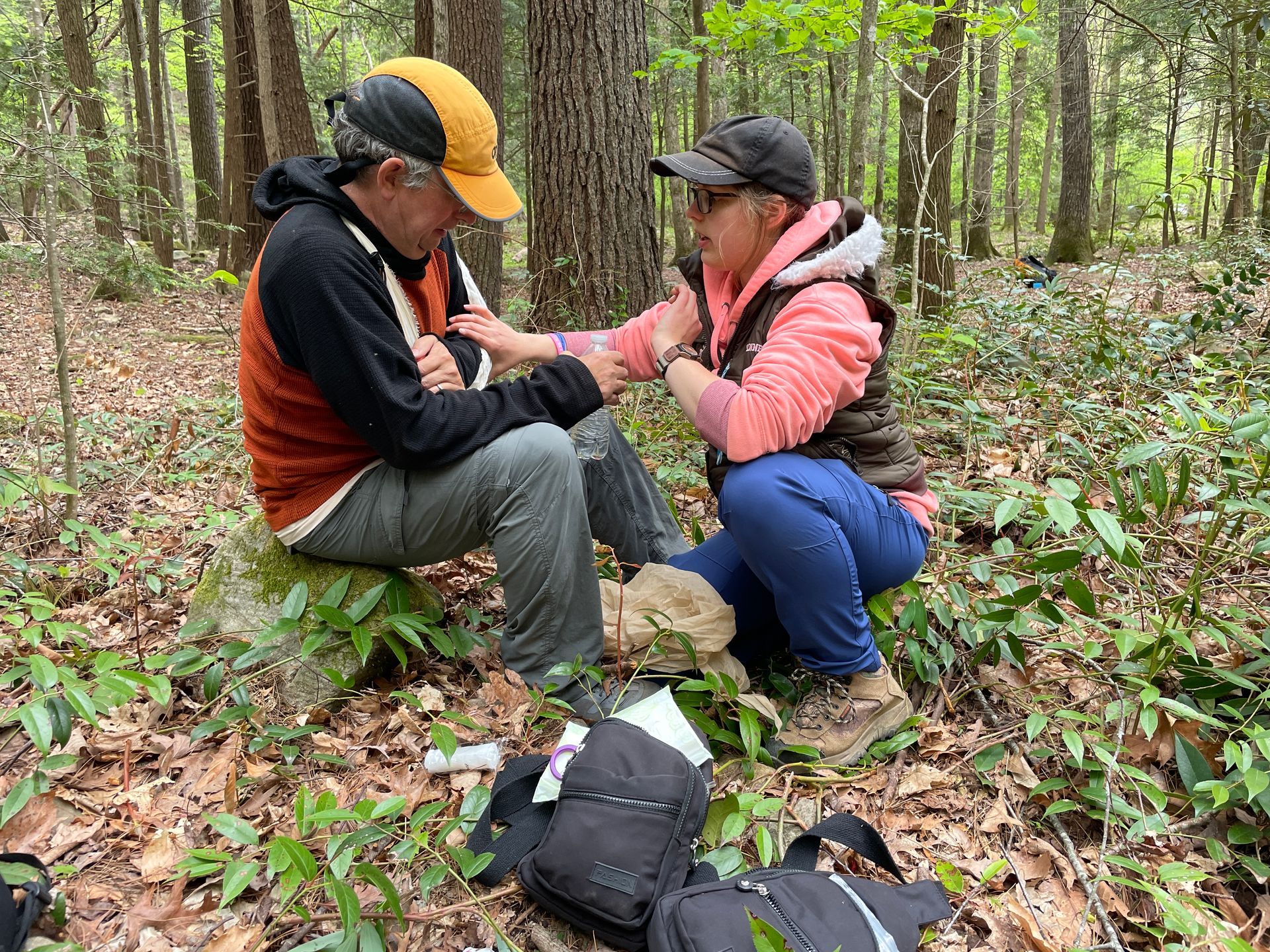
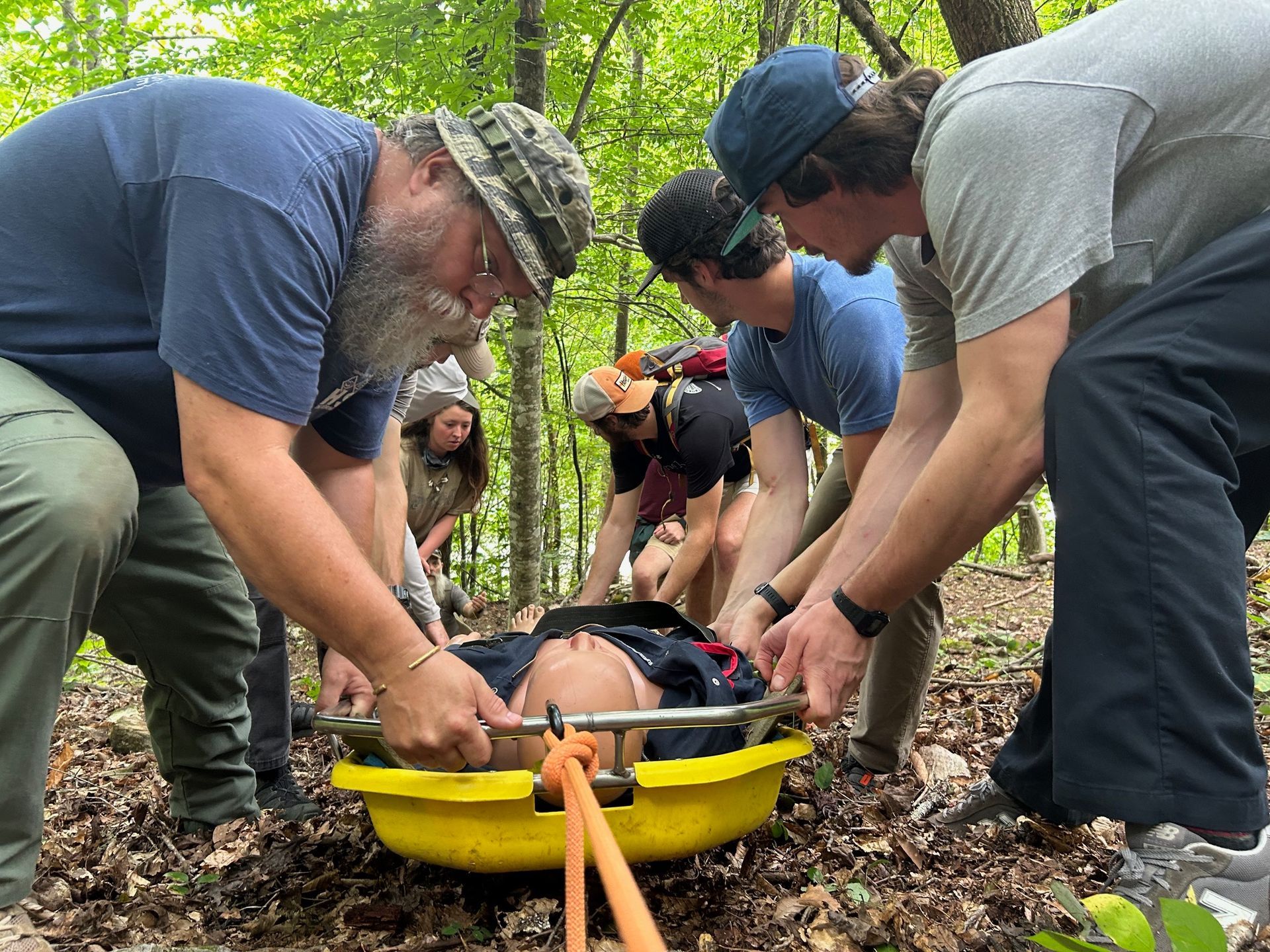
I've been in front of the classroom for hundreds of Wilderness Medicine courses, including over a hundred "Woofers" Wilderness First Responders Courses. Students and I get to know each other fairly well over the fast-paced, interactive, 72-hour class. We share and learn from each other. We not only laugh together, we've also been known to cry. Perhaps to a fault, I am authentic. If I share a story in class it's because it's real. I put my ego on hold, if I don't know an answer to a question I'll say so, then I'll look up the answer during a break. I ask for their input if they have experience with the topic at hand. I not only allow but encourage them to share their personal experiences. I let them lead topics when they're more acquainted than I am. I've helped them change flat tires, jumped dead batteries, etc.
As a result of this bonding and sharing, I've become familiar with those who fill the seats. The following is a very short list of the a few of the memorable people I've had the privilege to spend some time with over the past decade. Not a single reference here is fictional, these are real people, I've only excluded their names for privacy:
A young man who credits a wilderness therapy program he attended as a teenager for saving his life, and who now works in wilderness therapy to help other at-risk teens.
A couple in their 70s who want to through-hike the Appalachian Trail together.
A talented photographer/videographer from Tennessee, who works on ocean-based scientific research vessels, and travels the world.
A veteran from Israel, who first earned the WFR, then earned her EMT, became a wildland firefighter, and is currently in flight school for helicopters.
A man who was opening a hunting lodge in Alaska and knew he would be days away from EMS if it's ever needed.
A Russian native, who struggled to understand English but excelled, nonetheless, and by the end of class was helping other students.
A father-son duo who attended a class together. The son became a CPR Instructor and earned his EMT before graduating high school.
A father-daughter combo, sport climbers, who attended that same class, and stand-out for different reasons altogether.
A mother-son combo. The mother was an Orthopedic surgeon.
A veterinarian who specialized in marine animal rescue, specializing in whales and loggerhead sea turtles.
A man who would later become a paramedic and was the field team leader for a Search and Rescue event to which I was deployed last year.
A married couple who works on a volunteer trail maintenance crew. After performing CPR on the trail one day, they felt compelled to learn more life-saving skills.
A military group of Special Operations Medics who wanted to learn a new perspective to add to their skill set.
A woman who had to step out a few times per day to breastfeed her infant, that her partner is otherwise taking care of for the week.
A theater major who is very good at makeup and taught me how to use stage makeup to create better fake injuries during scenarios.
A holistic chemist and a physician who repeatedly clashed over their wildly opposing views. They eventually came to respect each other's opinions.
A married couple from Britain who had recently finished Medical School and were traveling and trying something new before settling into their careers.
A young man with a learning disability who said he wished all his teachers cared as much about his success as I had. We cried and hugged when he shared this with me on the last day of class.
A couple who attended together who I became friends with and would later join for a 5-day rafting trip on the Chilko River in Western Canada.
A WFR class that bonded so deeply with one another they created a messenger group and still check-in frequently with each other, now 6 years later.
An amazingly strong, independent woman, who had test anxiety so bad she locked herself in the bathroom and cried for ten minutes before the test (which she nearly aced).
A 15-year-old, (accompanied by an adult because he didn't meet the age requirement of 16) but completed the training anyway. He would later text me at midnight of his 16th birthday so I could mail him the certification card for which he was now eligible.
An 83-year-old man who took the class "to gain a bit of knowledge" and left the class saying that the course had given his life a new mission.
A group of fifteen young men preparing for a mission trip, whose organization changed their destination during the class, and a few weeks later would be in Ukraine.
Dozens of young instructors, who I've helped teach and mentor, who work as far away as Michigan, New Hampshire, California, Nepal, Australia.
I've left out scores of other notable folks for the sake of brevity.
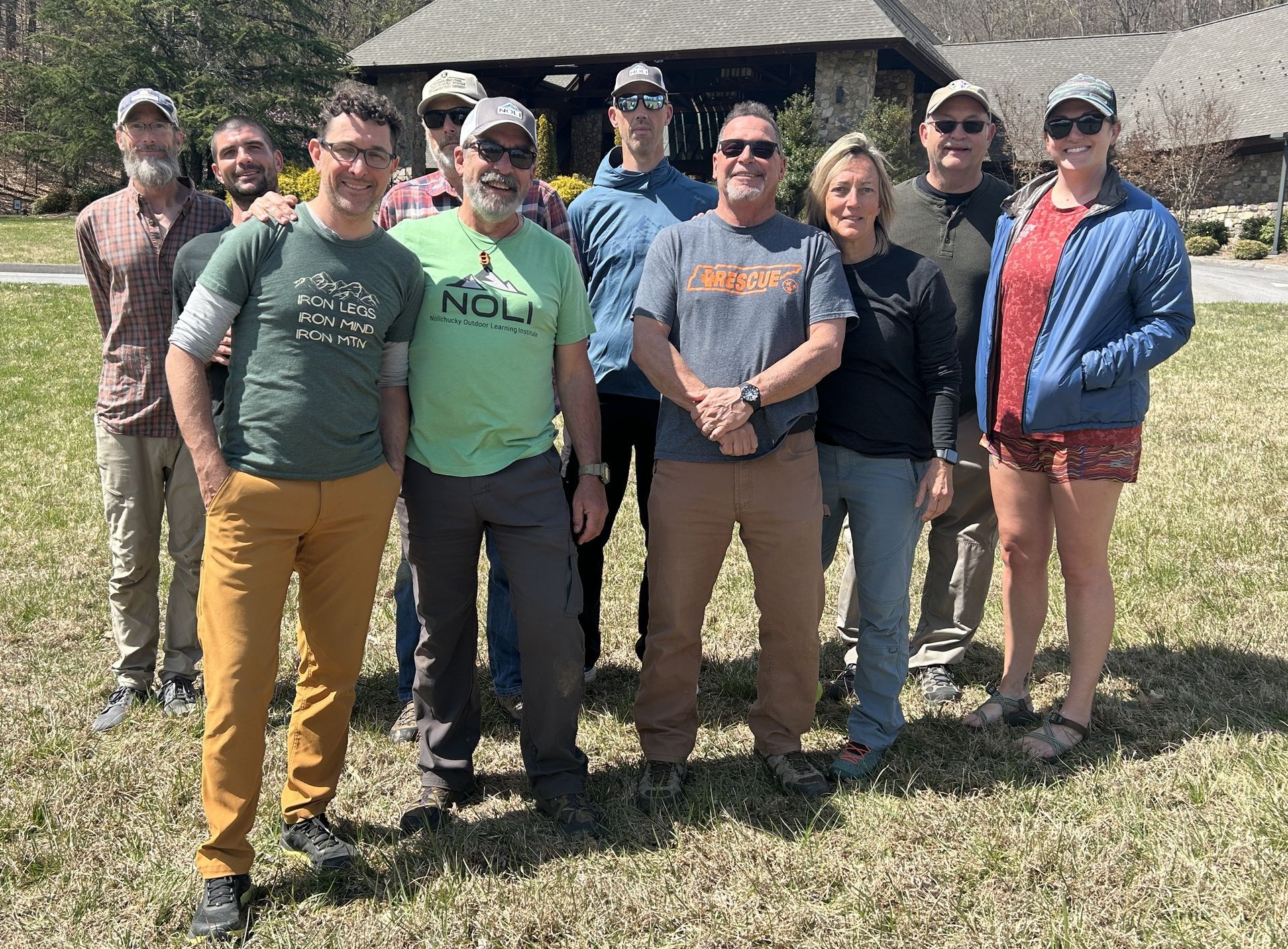
Now, as I begin to approach retirement probably over the next half dozen years, these connections mean even more to me. It has been my privilege to spend time with extraordinary humans who go their separate ways and pay it forward in their community and beyond. Weeks, months, and years after class I'll occasionally hear from them. They've made a rescue. They're just checking in. They'll send a photo from a mountain or a beach. They have questions about recertifying, joining a rescue team, donating for hurricane Helene, asking if I'll write a review for a job for which they're applying, etc.
They frequently tell me that I have inspired them, but if that is accurate, it's only half the story. The truth is: They've inspired me and continue to do so.
As you can see, I've had the pleasure of training with a wide range of folks of different backgrounds, ages and interests over the years. So, circling back to the original question "Who takes Wilderness First Responder "Woofer" training?" If your work or play takes you to the outdoors, "You do!"
Join us for an upcoming WFR course and come away with both internationally recognized certifications in WFR and CPR. To learn more and see upcoming dates, including our May 17-24 class in Flag Pond, TN, go to Wilderness First Responder Course - 8 Days. We also offer the shorter 2-day Wilderness First Aid Class.