Biodiversity of the Southern Appalachians
why is the southern appalachian region so biodiverse?
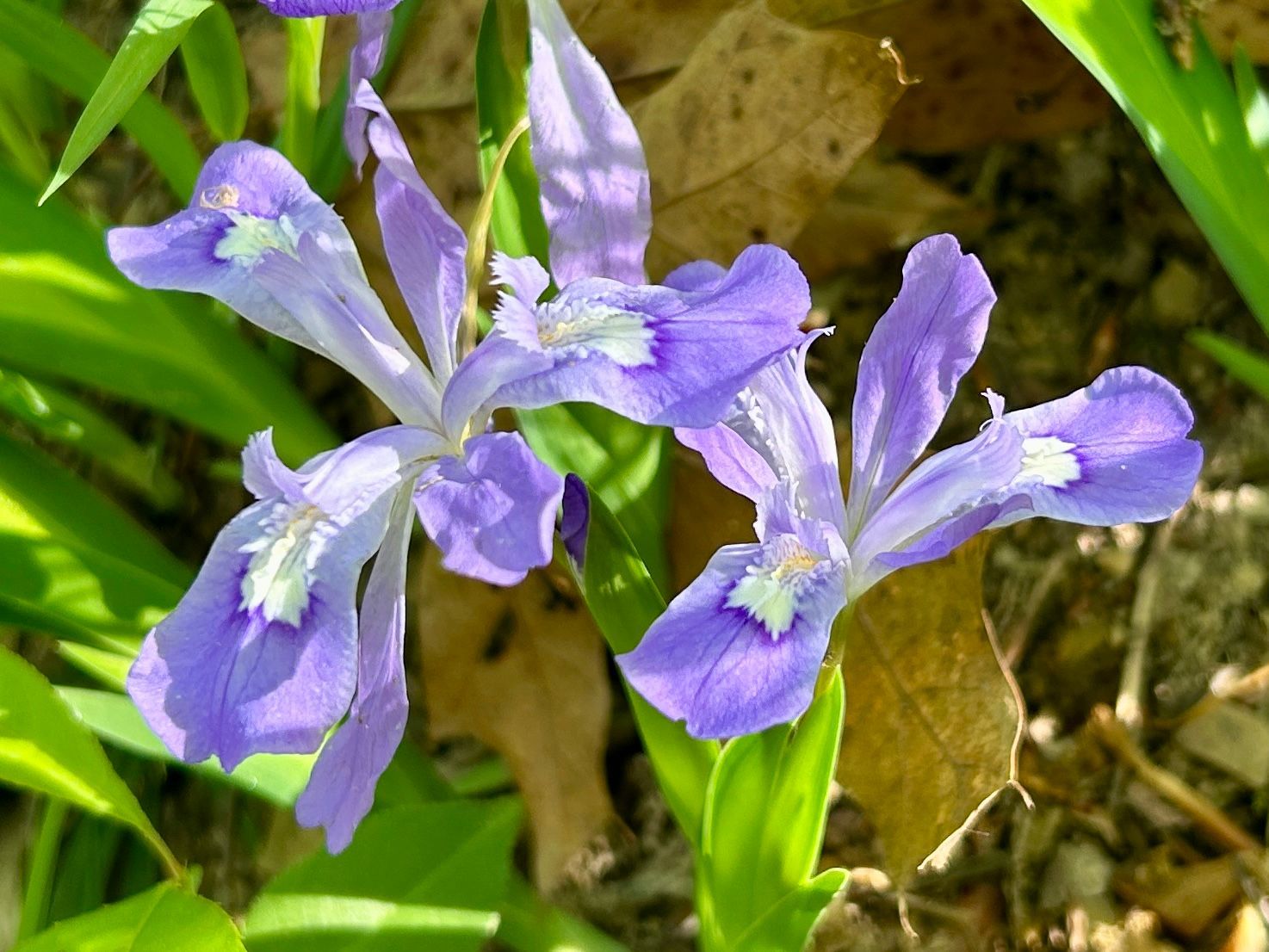
Most readers are aware that the southern Appalachian Mountains are considered a biodiversity hotspot. According to National Park literature, Great Smoky Mountains National Park—located within this region—is the most biologically diverse park in the entire National Park System. It is often referred to as the “Salamander Capital of the World,” and is home to more than 19,000 documented species of plants and animals, including a greater variety of tree species than any other national park. Reflecting its ecological significance, the Smokies were designated an International Biosphere Reserve in 1976 and a World Heritage Site in 1983.
If we look more closely, we might ask: what do we really mean by “diversity”? Are we referring to the number of species, the number of genera, the number of families, the presence of endemic species, or the number of species at risk?
And so, another way to think about “diversity” may be to look beyond simple species counts and consider the genetic breadth within an area. For instance, in Tennessee the violet family (Violaceae)includes 28 species across just 2 genera, while the milkweed family (Apocynaceae) has 25 species spread over 8 genera. Similarly, the beech family (Fagaceae) contains 26 species in 3 genera, and the family trilliums belong to (Melanthiaceae or Trilliaceae depending on the classification) includes 32 species across 7 genera. These comparisons suggest that the violet family, despite its slightly higher species count, represents less genetic diversity than these other families. Since these other families have more genera, they encompassa wider range of evolutionary variation—in other words, its species are more distinct from one another.
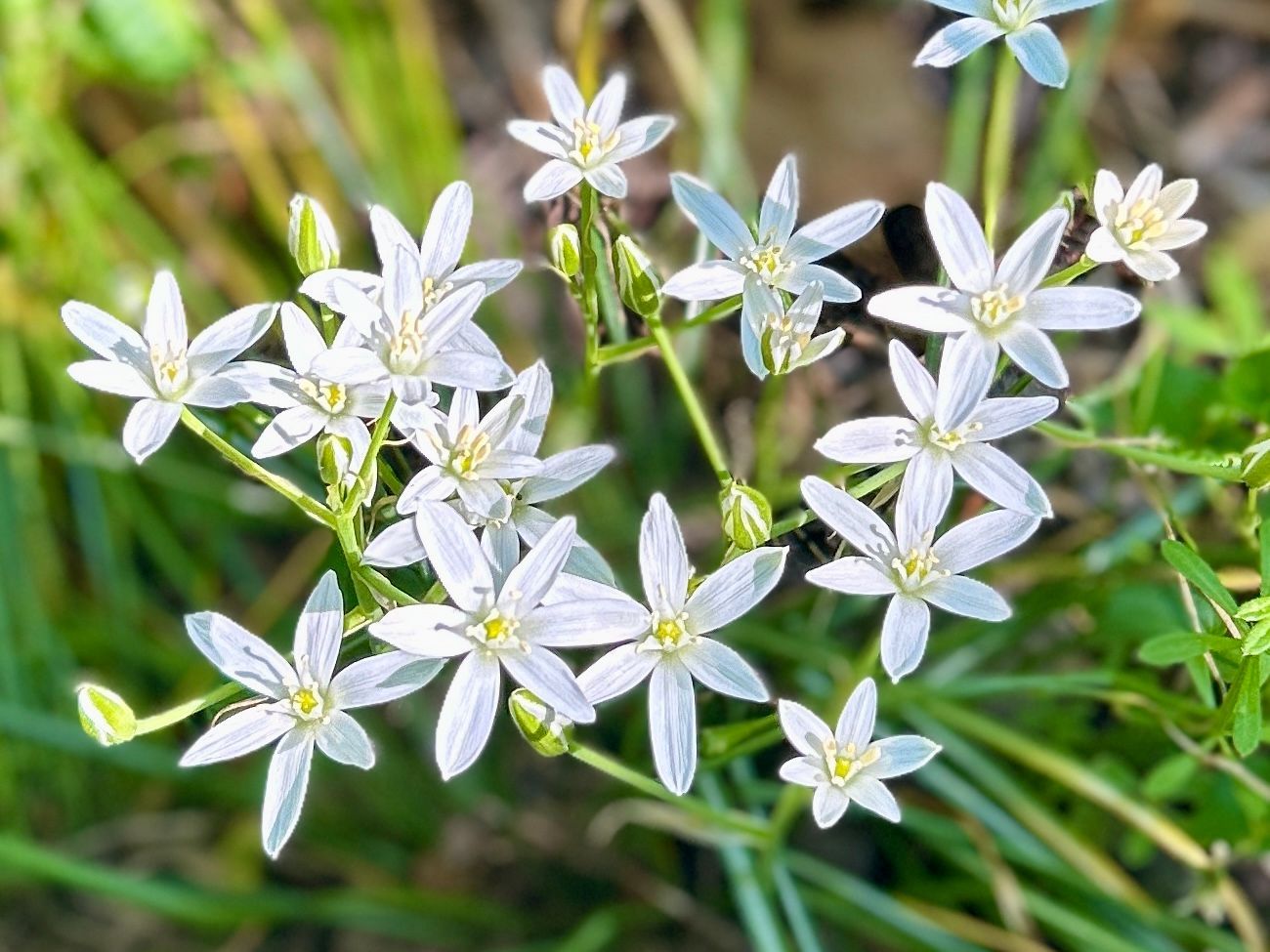
For this reason, modern approaches to identifying biodiversity hotspots emphasize genetic diversity rather than simple species counts. Over the past 25 years, advances in DNA analysis have greatly accelerated our ability to make these comparisons.
For example, it has long been recognized that North America has two major regions of high nave plant diversity: the Pacific Coast/Southwest and the Southeast, with the western region supporting a greater number of species. However, recent DNA studies reveal that the Southeast harbors greater genetic diversity. This suggests that many western species are of more recent origin, while those in the Southeast have a longer evolutionary history.
This pattern also helpexplain why the Southeast exceeds the upper Midwest and Northeast in both species richness and genetic diversity. Much of the northern landscape was heavily impacted by glaciation and later repopulated by plants migrating northward from southern regions, along with contributions from isolated pockets that escaped glacial destruction.
In contrast, the western United States has undergone relatively recent desertification and significant mountain building, whereas the Southeast was largely spared from glaciation. This long-term environmental stability in the Southeast has allowed plant lineages to persist and diversify over time.
Join us for a full-day Introduction to Plant Identification Class at Rocky Fork State Park on May 30 during which we will embark on an exciting journey through the enchanting world of plant identification. Whether you're an aspiring botanist, a passionate gardener, an environmental enthusiast or simply curious about the flora in east Tennessee, this course is designed to equip you with the fundamental skills and knowledge needed to confidently identify a myriad of plants. Additional dates are available. Learn more at https://www.nolilearn.org/activity/introduction-to-plant-identification-with-botanist-steve-price.