How to Become a Leave No Trace Champion
Leave No Trace Instructor Kayla Carter shares how we can all be environmental champions
First comes the quiet realization that you are neither the first nor the last visitor to a wild place, and then comes the awe of knowing it is not yours to own, but to protect.
Every footprint, every campsite, every choice has an impact on our land. The question isn’t about whether we have an adverse impact because we definitely do. The question is: How do we reduce our impact and how much we care to do so?
As outdoor recreation continues to grow, so does the responsibility to protect the public lands we love. Over time, we’ve learned that even small behaviors — where we step, what we pack out, how we build a fire — can shape the health of an entire ecosystem.
That’s where Leave No Trace (LNT) comes in.
Outdoor educators and conservationists have worked together to identify behaviors that help us become better stewards of the places we love. The result of this collaboration is LNT, which is a framework built on research, observation, and care. It’s more than a checklist. LNT is a mindset.
LNT invites us to move through forests, rivers, and ridgelines (even daily life) with humility and intention. It combines research-backed best practices with a shared ethic of respect for land, water, wildlife, and other visitors.
At the heart of LNT are seven core principles:
- Plan Ahead and Prepare: Know regulations, prepare for weather, and minimize unnecessary packaging of food and other items that may inadvertently be left behind. Consider group size limits and carry a map.
- Travel and Camp on Durable Surfaces: Stay on established trails and camp at existing campsites whenever possible. Avoid fragile ecosystems.
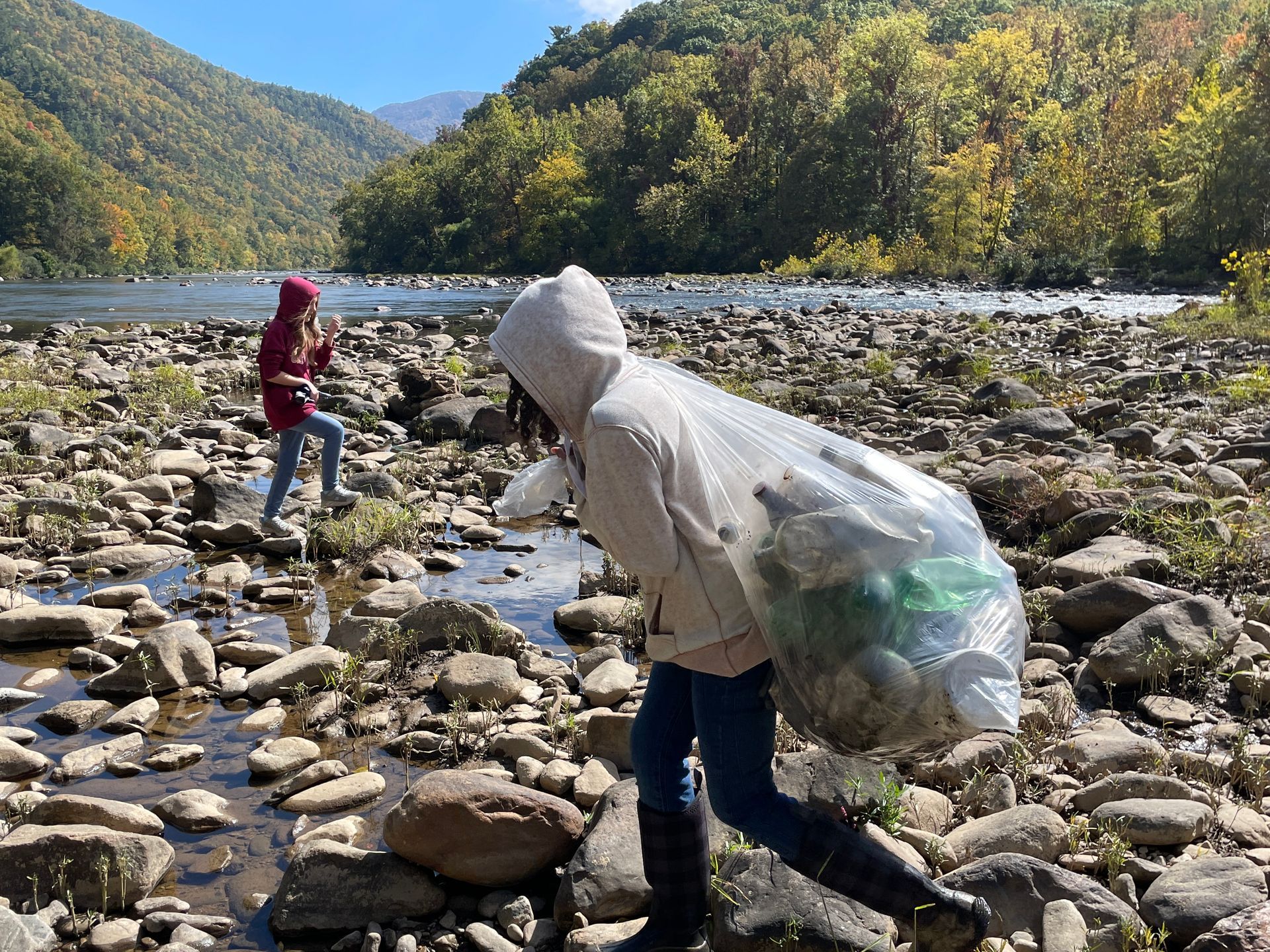
- Dispose of Waste Properly: Pack out all trash. Even better, pick up trash you come across. Use restroom facilities when available. If bathrooms are not available, bury waste 6-8 inches deep at least 200 feet from water sources.
- Leave What You Find: Leave natural objects and cultural artifacts as you find them.
- Minimize Campfire Impact: Consider using a stove for cooking, use fire rings when possible and keep campfires small, burning wood to ash if fires are allowed. Fully douse campfires with water when done.
- Respect Wildlife: Observe wildlife from a distance and store food securely to minimize the potential for conflict.
- Be Considerate of Other Visitors: Keep noise down, yield on trails, and maintain a friendly attitude.
Each one offers practical guidance, but together they create something deeper: a culture of shared stewardship. These principles may seem simple, but when practiced consistently, they create meaningful, lasting change for the land and people. This is your invitation to be part of this mindset.
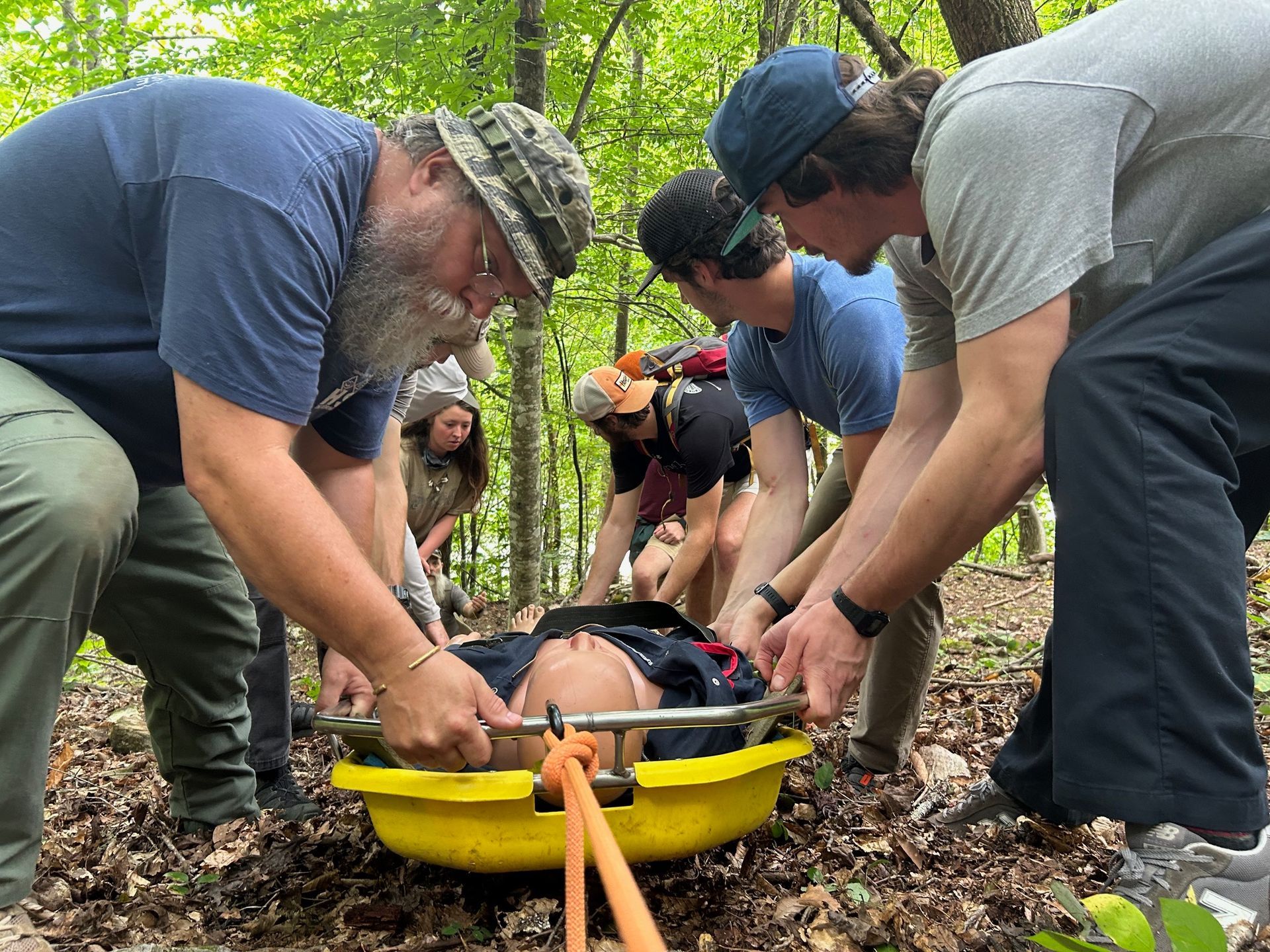
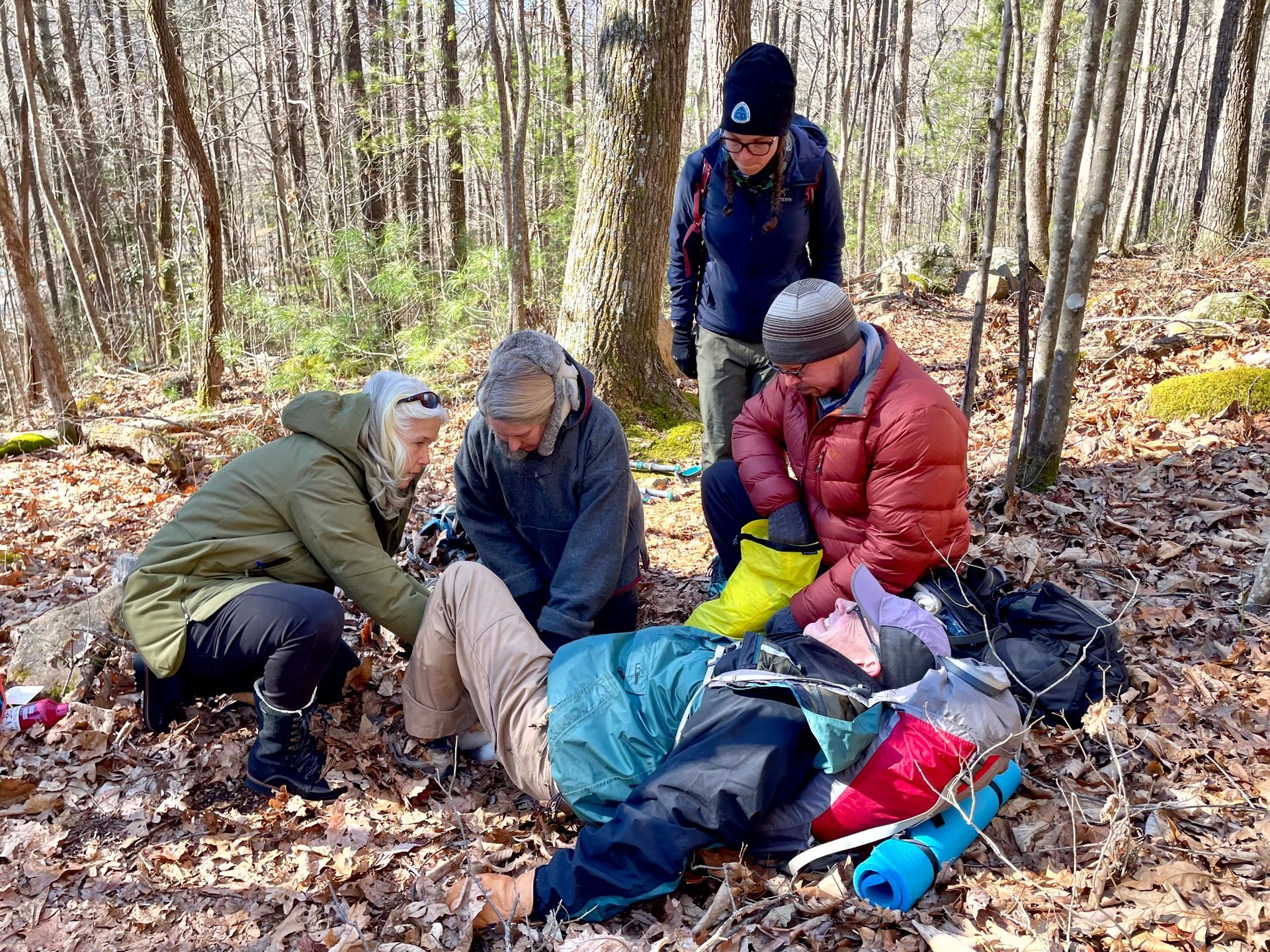
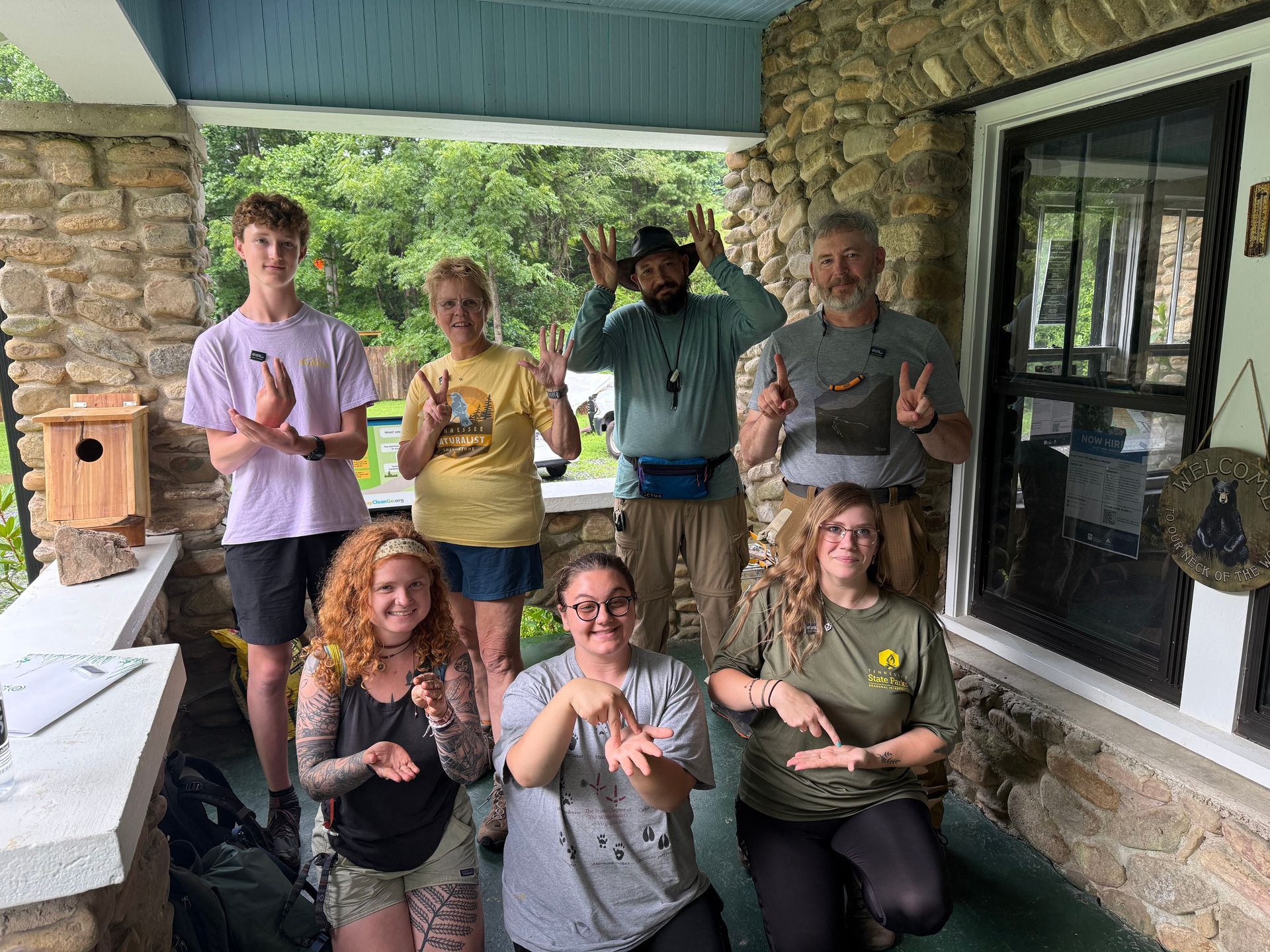
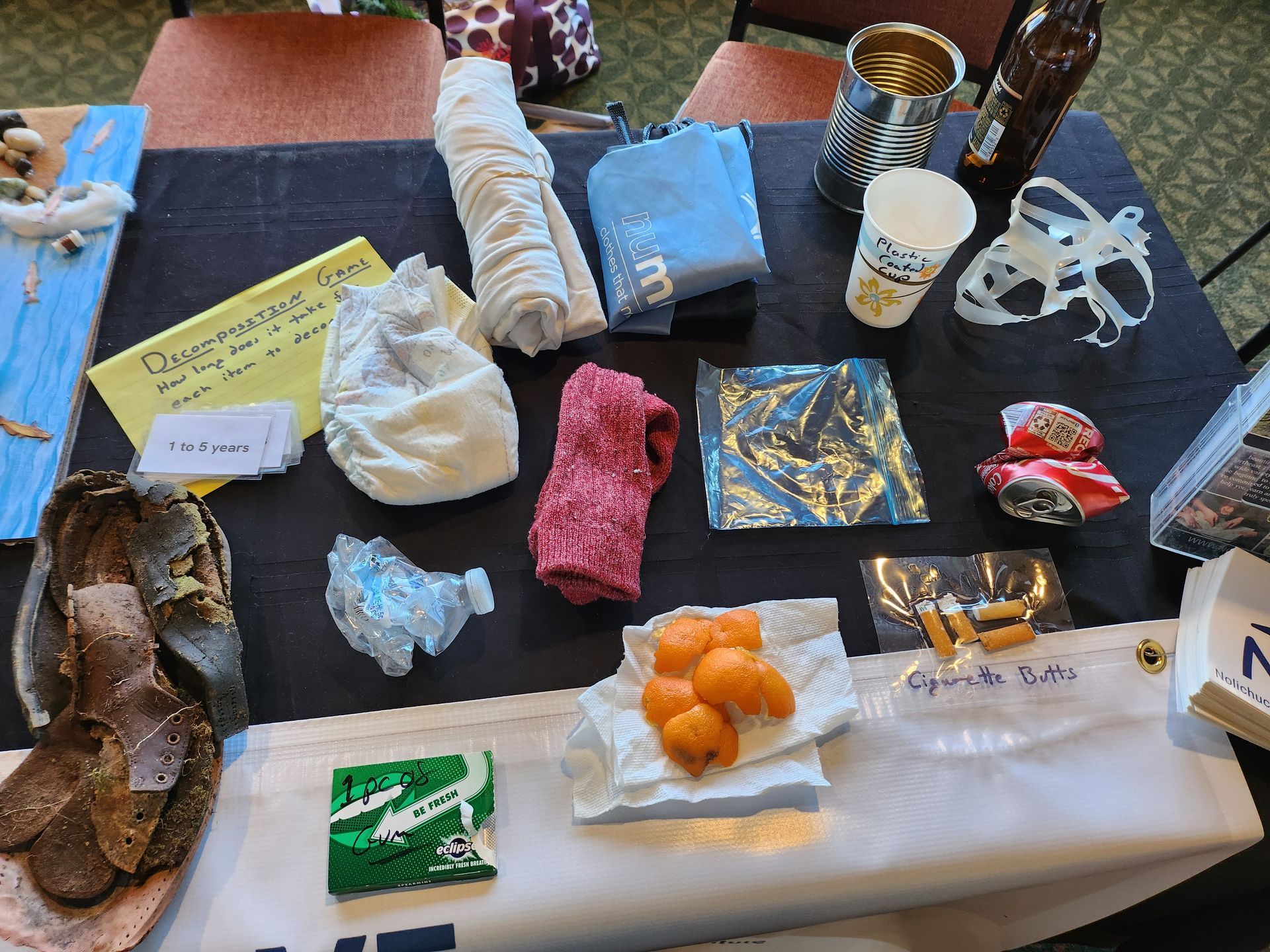
Last July, participants joined Nolichucky Outdoor Learning Institute (NOLI) for a Level 1 LNT course to deepen their understanding of how everyday outdoor decisions can reduce impact and strengthen stewardship. Since then, several of them have gone on to share what they learned with many others. Anne Padgett, a certified Tennessee Naturalist, set up a at Wilderness Wildlife Week on behalf of NOLI to share the LNT message with attendees. She is also seeking to work with schools and homeschool groups to host workshops in the future.
“Adults and kids really enjoy being interactive with the decomposition game,” Padgett said. “They were very shocked by the timeline for some of the litter items."
For example, cigarette butts take on average 1-5 years to decompose, and plastic bags take 10-20 years. Plastic bottles can take around 450 years or more to decompose, and plastics in general are especially problematic since they break down into microplastics over time. This process can extend their environmental impact even further. Similarly, nylon fishing line can take 600 or more years to decompose and poses a hazard to wildlife when abandoned. The worst culprit? Glass bottles, which can take a million years or longer to breakdown.
"It’s a wonderful feeling to see young and old learning so much from what seems like a simple guessing game”, Anne continues.
Amanda Lank, Interpretive Ranger at Rocky Fork State Park, has recently implemented LNT into her programming. She even had a prospective Appalachian Trail thru-hiker attend a program to learn about LNT.
“He hoped to gain knowledge before he got out there," she said. “He wanted to make sure he was doing his part to protect the environment.”
Lank shared that she is thankful for the experience and all the valuable information she learned through the course.
“It’s a wonderful feeling to know that the knowledge you all shared with me can be put back into my work at Rocky Fork,” she said.
If you, too, are interested in joining Amanda, Anne and many others in deepening your connection to public lands, consider signing up for the Level 1 Leave No Trace instructor course with NOLI on July 11-12, 2026. This is a great opportunity to come face-to-face with peers who all are working together toward a shared goal -- to be better champions and stewards of our natural places. NOLI also offers free LNT Workshops for groups by request. Contact us for more information.
We hope to see you out there!
Author Kayla Carter is a Leave No Trace Level 2 Instructor and has thru-hiked the Appalachian Trail.